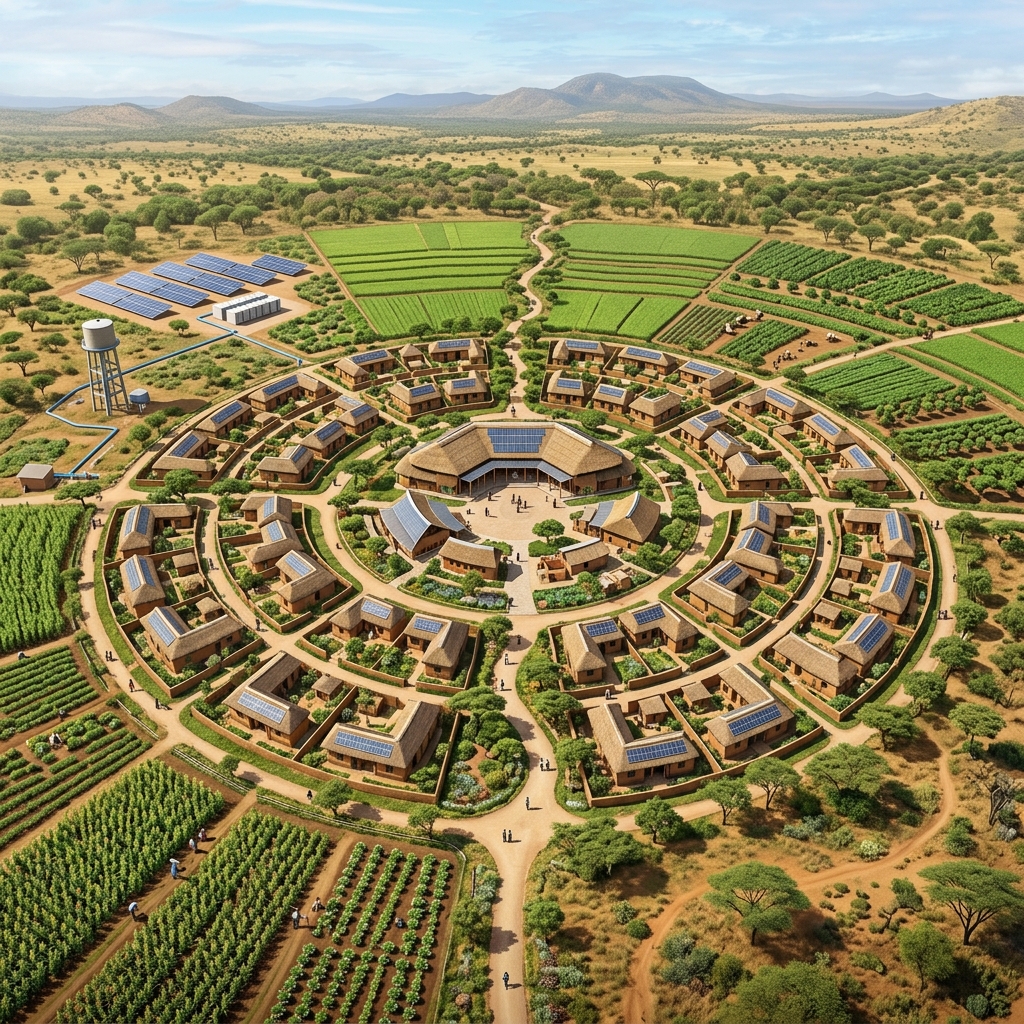
An integrated deployment architecture linking physical infrastructure, legal protection, and cooperative economics.
A Rural Systems Smart Village is not a collection of disconnected charity projects. It is a fully integrated system designed to function as an independent, self-sustaining economic unit.
We do not just build houses. We build the physical, legal, economic, and digital layers simultaneously. If one layer is missing, the system fails to compound prosperity.
All development begins with secure land tenure. Without it, external investment leads to displacement.
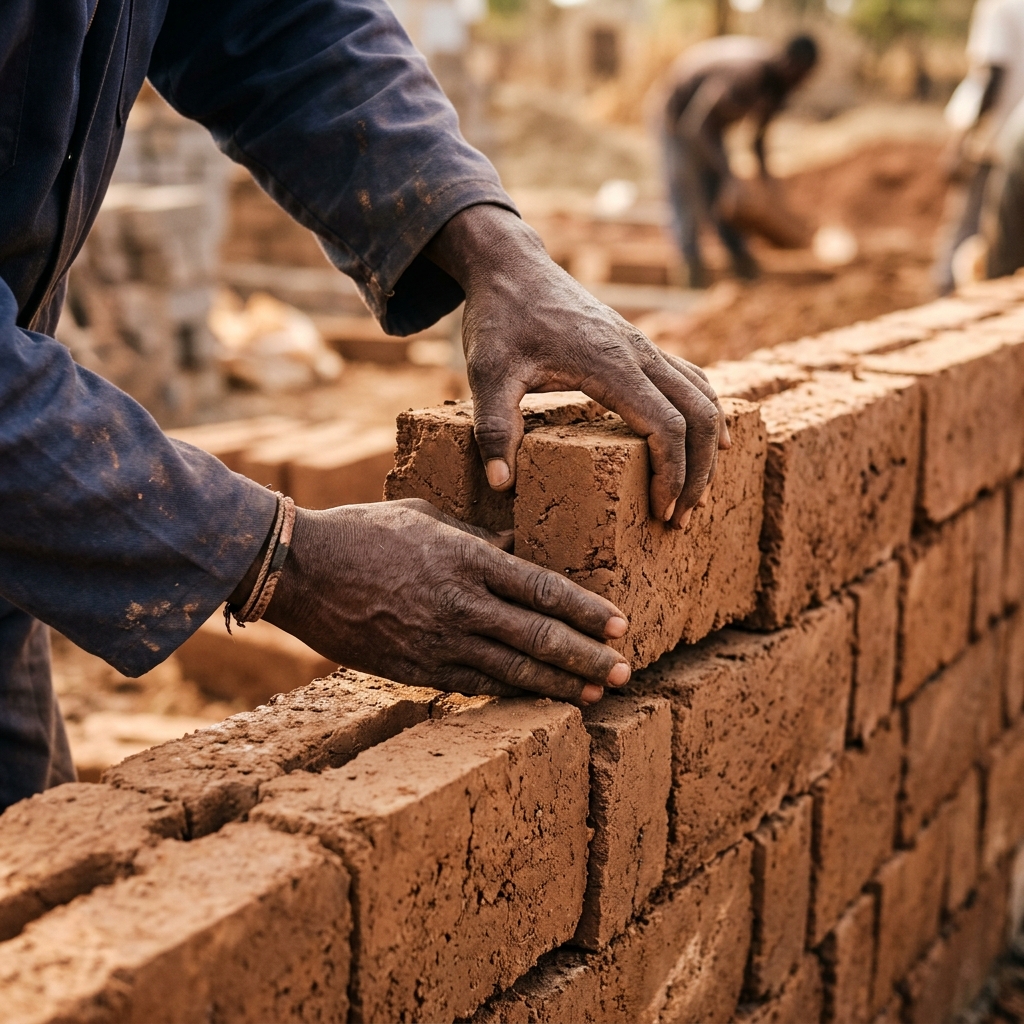
Dignified housing is a human right, but standard construction methods are economically unscalable in rural contexts. We use a radically different approach.
Wealth must circulate locally before it exits. The Village Cooperative is the engine of the local economy, managing shared enterprises and infrastructure.
Held as working capital to fund operations, maintenance, and future collective investments.
Paid out as direct dividends to member households, providing a baseline universal income.
Dedicated strictly to expanding physical infrastructure—more solar, better roads, new water systems.
The physical and economic systems are governed by the people who live in them.
The Village Cooperative Council manages the CLT, the cooperative enterprises, and the utility infrastructure. It is designed for maximum transparency and accountability.
We do not drop infrastructure into a village overnight. We follow a rigorous, gated deployment process to ensure local capacity scales with physical construction.
Months 0–6
Community mapping, GIS zoning, establishing the CLT legal entity, electing the Cooperative Council, and opening initial bank accounts.
Months 6–18
Training local artisans, establishing the CEB block press, constructing core housing clusters, and deploying the initial solar micro-grid and water kiosk.
Months 18–36
Launching cooperative enterprises (e.g., agro-processing), onboarding external business partners, and initiating the first 40/40/20 dividend distributions.
Months 36+
The village operates independently. Rural Systems transitions to an advisory and orchestration role, while the village begins to generate surplus capital.